Chronic kidney disease is unusual among common conditions in how quietly it develops. People often lose a substantial share of kidney function before they notice anything at all, and by the time symptoms like swelling or persistent fatigue appear, a fair amount of damage has already happened. The encouraging part is that it is straightforward to look for, using two ordinary tests, and finding it early genuinely changes what happens next.
What Your Kidneys Are Doing All Day
Your kidneys filter your entire blood supply many times a day, pulling out waste and extra fluid while keeping the things you need. They also help regulate blood pressure, balance minerals like potassium and calcium, support bone health, and signal your body to make red blood cells. That last function is why advanced kidney disease often shows up alongside anemia.
Kidney disease is called chronic when that filtering ability, or evidence of kidney damage, has been reduced for at least three months. It is not the same as a kidney stone or a sudden kidney injury from dehydration or illness, though those can contribute over time.
It Takes Two Tests, Not One
This is the part most patients have never been told, and it is the single most useful thing in this article. Checking kidney health properly needs a blood test and a urine test, and each one finds things the other misses.
- A blood test for eGFR, estimated from your creatinine, which measures how well your kidneys are filtering.
- A urine albumin to creatinine ratio, or uACR, which detects small amounts of protein leaking into your urine.
- Albumin in the urine is frequently the earliest sign of kidney damage, and it can be abnormal while your eGFR still looks completely normal.
- Because of that, a normal creatinine result on its own does not rule kidney disease out.
The current international guideline, published by KDIGO in 2024, stages kidney disease using both numbers together, along with the underlying cause, and recommends that people with kidney disease have both checked at least once a year to track whether things are stable or moving.
Who Should Actually Be Checked
Here it is worth being precise, because there is a real distinction between screening the general population and testing people at known risk. The U.S. Preventive Services Task Force has not found sufficient evidence to recommend routine kidney screening for healthy adults with no risk factors, and lists that topic as under review.
That is a narrower statement than it sounds. It says nothing about people who already have a condition that damages kidneys, and for those patients testing is standard care rather than screening. The 2025 American Heart Association and American College of Cardiology high blood pressure guideline, for example, moved urine albumin to creatinine testing from optional to recommended for all patients with high blood pressure. Risk factors worth testing for include:
- High blood pressure, whether or not it is well controlled
- Diabetes, which is the leading cause of kidney failure in the United States
- Heart disease or heart failure
- A family history of kidney disease
- Being over 60
- Long term regular use of anti inflammatory pain medications
- Obesity, and conditions in the metabolic cluster such as prediabetes
Why Catching It Early Matters So Much
Kidney damage that has already happened does not reverse. What early detection changes is the slope: how fast function declines from here, and whether it ever reaches the point of needing dialysis or a transplant. Slowing that curve is achievable, and the earlier it starts the more room there is to work with.
Early detection also changes ordinary medical decisions in ways patients rarely see. Some common medications need dose adjustment or avoidance when filtering is reduced. Some imaging contrast agents need extra care. Knowing your numbers protects you across every part of your care, not only at the kidney appointment.
What Management Actually Involves
Most kidney protection is not exotic. It is controlling blood pressure well, managing blood sugar if you have diabetes, choosing medications that specifically protect kidneys where appropriate, being careful with anti inflammatory pain relievers, and rechecking both numbers on a schedule so changes are caught while there is still time to respond.
That is a description of good primary care rather than specialty care, which is why most kidney disease is managed by a family doctor for years. A nephrology referral becomes appropriate when function drops below certain thresholds, when protein loss is heavy, or when the cause is unclear.
How This Works at Elon Health
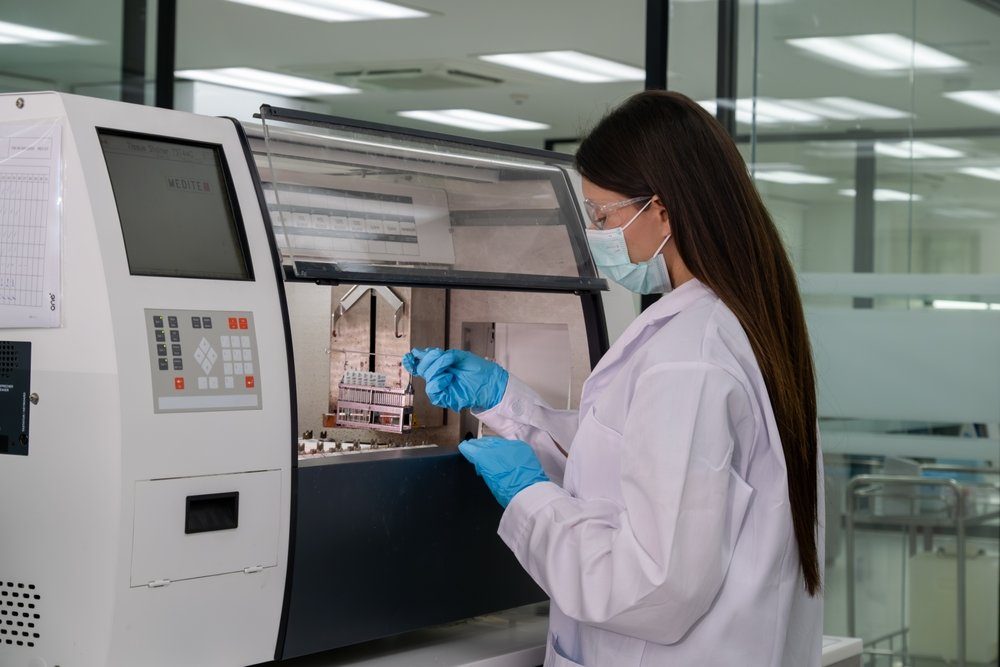
Because our Davenport office runs an on site lab, both the blood work and the urine test can be done during a normal visit, and results come back to the doctor who ordered them rather than to a different building. That matters for a condition where the whole point is tracking two numbers over years and noticing a trend.
Dr. Sandeep Pandya reviews kidney numbers alongside blood pressure, blood sugar, and your medication list, because in practice those things are one problem rather than four. Patients across Davenport, Champions Gate, Haines City, Kissimmee, and Polk County are managed this way over time rather than reassessed from scratch at each visit.
The Guidance Behind This Page
Staging by eGFR and urine albumin to creatinine ratio, and annual monitoring of both, follow the KDIGO 2024 Clinical Practice Guideline for the Evaluation and Management of Chronic Kidney Disease. The universal urine albumin to creatinine recommendation in high blood pressure is from the 2025 AHA/ACC High Blood Pressure Guideline. The screening position described is the U.S. Preventive Services Task Force I statement, which the Task Force lists as under review. All current as of August 2026. This page is general health information, not a diagnosis or a treatment plan for your situation.
Ask About Your Kidney Numbers in Davenport
If you have high blood pressure or diabetes and cannot remember ever having a urine test for kidney health, that is worth asking about at your next visit. Elon Health Primary Care in Davenport, FL is accepting new patients. Request an appointment or call 352-508-5254.