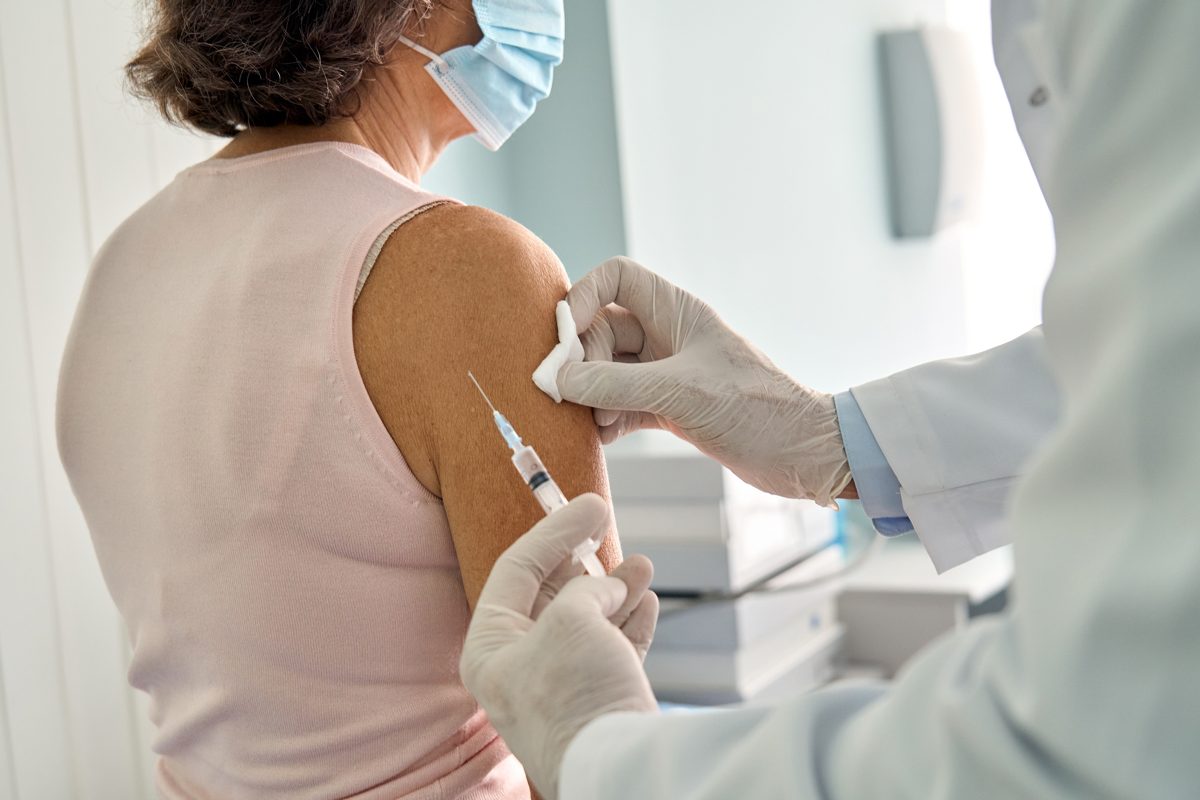
Vaccines are not just for children. Adults need protection too, and the shots you need change as you get older and as your health changes. Staying current is one of the simplest, most effective ways to prevent serious illness. This guide walks through the common adult immunizations, when they are usually recommended, and how a primary care doctor helps you keep track over time. At Elon Health Primary Care in Davenport, FL, Dr. Sandeep Pandya reviews your history so nothing falls through the cracks.
Why Adults Still Need Vaccines
Protection from some childhood shots fades over the years, and new vaccines become important as you age. Your immune system also weakens a little as you get older, which makes infections like the flu and pneumonia more dangerous. Getting the right immunizations at the right time lowers your chance of a hospital stay and helps protect the people around you, including grandchildren and older relatives.
The recommendations below follow general CDC-style guidance. They are a starting point for a conversation, not a substitute for a personal plan. Your own schedule depends on your age, past shots, health conditions, pregnancy, job, and travel.
Flu (Influenza): Every Year
A yearly flu shot is recommended for nearly all adults, ideally in the early fall before flu season picks up in Polk County. The virus changes from season to season, so last year's shot does not carry over. Adults 65 and older may be offered a higher-dose or adjuvanted version designed to produce a stronger response.
If you have heart disease, lung disease, diabetes, or a weakened immune system, the flu can hit harder, which makes the yearly shot especially worthwhile.
Tdap and Td: A Booster Every Ten Years
Tdap protects against tetanus, diphtheria, and whooping cough (pertussis). Most adults need a Td or Tdap booster every ten years, and at least one of those should be the Tdap version to cover whooping cough. A booster is also given after certain deep or dirty wounds if it has been more than five years.
- Every pregnancy: a Tdap dose is recommended to protect the newborn from whooping cough.
- Around infants: adults who will be near a new baby should be current on Tdap.
- After a wound: your doctor may update the booster sooner than the usual ten years.
Shingles (Recombinant Zoster): Age 50 and Up
Shingles is a painful rash caused by the same virus that causes chickenpox, which stays dormant in the body for decades. The recombinant shingles vaccine is recommended for healthy adults age 50 and older, given as two doses spaced a few months apart. It is also advised for some younger adults with weakened immune systems. Vaccination greatly lowers the risk of shingles and of the lasting nerve pain that can follow it.
Pneumococcal: Protecting the Lungs
Pneumococcal vaccines guard against a common cause of pneumonia, as well as bloodstream and brain infections. A single dose is generally recommended once you reach age 65. Younger adults are advised to get it sooner if they smoke or have conditions such as heart disease, lung disease, diabetes, or a weakened immune system.
There are a few different pneumococcal products, and the right one depends on your age and what you have received before. This is a good example of why a doctor who knows your record can simplify the decision.
Hepatitis A and B
Hepatitis B protects the liver from a virus spread through blood and body fluids, and the CDC now recommends the series for all adults through age 59, plus older adults with risk factors. Hepatitis A is advised for travel to certain areas, for chronic liver disease, and for other specific risks. Both are given as a short series of shots, and a combined vaccine can cover both at once.
- Chronic liver conditions or diabetes may raise the case for hepatitis B.
- International travel often calls for hepatitis A, sometimes on short notice.
- Healthcare and lab work can be a reason to confirm hepatitis B protection.
Staying up to date with COVID-19 vaccination is also recommended, with older adults and those with certain conditions getting the most benefit. Timing and product recommendations are updated periodically, so it helps to check in at a regular visit. Depending on your health, age, and travel plans, your doctor may also discuss RSV vaccination for older adults, the HPV series for younger adults, or others such as MMR and varicella if your records are incomplete.
How Your Primary Care Doctor Tracks Your Records
One of the quiet advantages of having a primary care home is that someone keeps the full picture. At each visit, your doctor can review which shots you have had, which are due, and which can wait. Because Elon Health Primary Care keeps your chart in one place, it is easier to avoid both missed doses and unnecessary repeats.
- A running list of the vaccines you have received and the dates.
- Reminders for boosters and age-based shots as they come due.
- A plan tailored to your conditions, pregnancy, job, and travel.
If you are ever unsure whether you are current, bring any old vaccine cards or records you have, and we can fill in the gaps together.
Establish Care in Davenport
Keeping your immunizations current is easier when one doctor knows your history and follows it year to year. Dr. Sandeep Pandya is welcoming new patients from Davenport, Champions Gate, Haines City, Kissimmee, and across Polk County. To review your vaccine record and build a plan that fits you, request an appointment or call 352-508-5254. If you ever have a medical emergency such as trouble breathing or signs of a stroke, call 911 right away.