Type 2 diabetes is one of the most common long-term conditions we help patients manage, and the good news is that it responds well to steady, consistent care. When you work with a primary care doctor over time, you build a plan that fits your life and adjust it as your needs change. This guide walks through what that care looks like: the role your doctor plays, how blood sugar is tracked with the A1C test, the lifestyle habits that matter most, how medication fits in, and how regular follow-up helps you prevent complications. At Elon Health Primary Care in Davenport, FL, Dr. Sandeep Pandya and our team focus on the kind of ongoing relationship that makes managing this condition far less overwhelming.
The Role of Your Primary Care Doctor
Diabetes is not a condition you manage alone or only at a single yearly visit. It is managed through an ongoing partnership. Your primary care doctor gets to know your health history, your daily routine, and your goals, then helps you build a plan you can actually keep. Because your doctor sees you over months and years, they can spot small changes early and adjust your treatment before problems grow.
A good primary care relationship also means one place that keeps track of the whole picture: your blood sugar trends, your blood pressure, your cholesterol, your medications, and your lab results. That continuity is one of the biggest advantages of establishing care with a family medicine practice rather than seeing a different provider each time.
Understanding A1C and Blood Sugar Monitoring
The A1C test is a simple blood test that shows your average blood sugar over roughly the past three months. It gives you and your doctor a reliable snapshot of how well your management plan is working, without depending on a single reading on a single day. Many people with type 2 diabetes aim for an A1C below 7 percent, but the right target is personal. Your doctor may set a slightly different goal based on your age, other health conditions, and how long you have had diabetes.
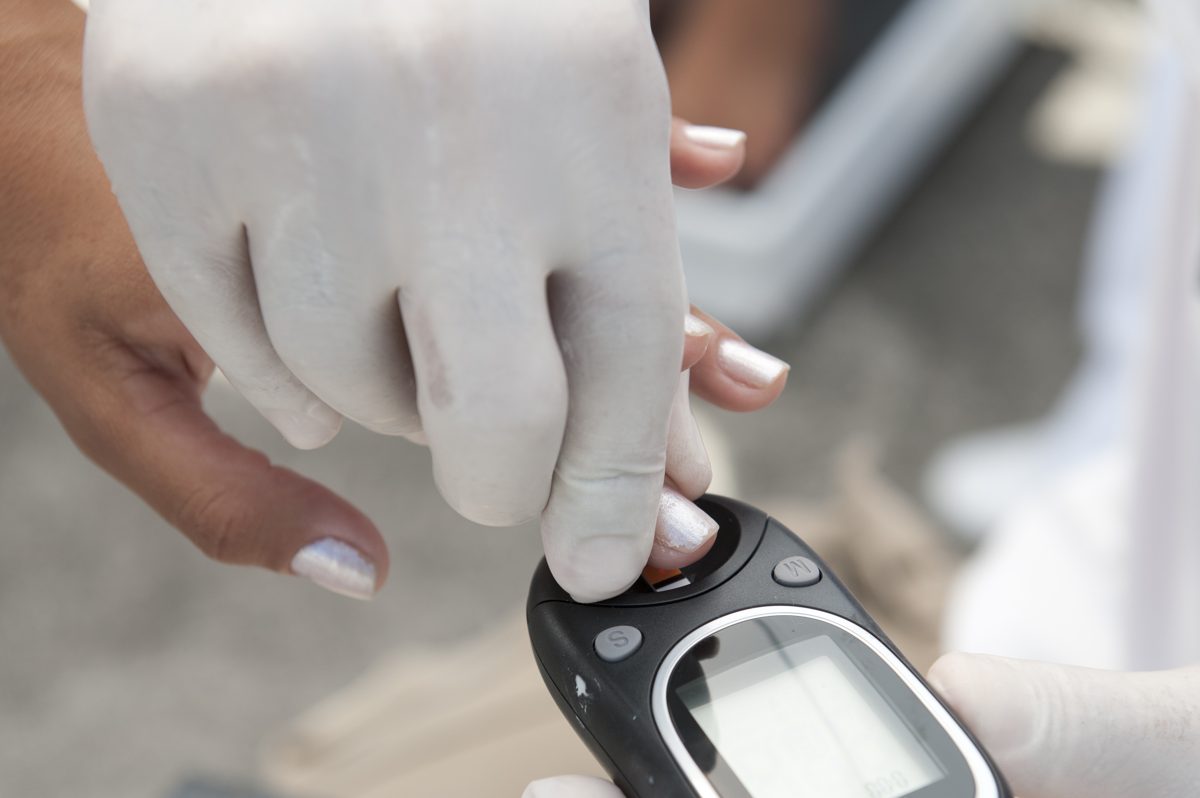
Between visits, some patients also check their blood sugar at home with a glucose meter. Those daily numbers help you see how meals, activity, and stress affect you in real time, while the A1C shows the longer trend. Together they guide the small, steady adjustments that keep your diabetes in a healthy range.
- A1C reflects your average blood sugar over about three months.
- A common general target is below 7 percent, but your doctor sets your personal goal.
- Home glucose checks show how daily choices affect your numbers.
- Bring your home readings to appointments so your plan can be fine-tuned.
Lifestyle Habits That Make the Biggest Difference
Everyday habits are the foundation of managing type 2 diabetes, and small, sustainable changes tend to work better than dramatic ones that are hard to keep. Balanced eating, regular movement, healthy weight, and good sleep all help your body use insulin more effectively and keep blood sugar steadier throughout the day.
- Fill half your plate with non-starchy vegetables and choose whole grains over refined ones.
- Aim for about 150 minutes of moderate activity a week, such as brisk walking, as your health allows.
- Limit sugary drinks and highly processed snacks that spike blood sugar quickly.
- Prioritize consistent sleep and simple ways to manage stress, since both affect glucose.
You do not have to overhaul everything at once. Your doctor can help you pick one or two changes to start with, then build from there as they become part of your routine.
How Medication Fits Into Your Plan
Lifestyle changes are powerful, but many people with type 2 diabetes also benefit from medication to keep blood sugar in a healthy range. Metformin is a common first choice, and there are several other options that work in different ways. The right medication, or combination, depends on your A1C, your other health conditions, and how your body responds over time.
Because these medicines can be adjusted, taking them is not a sign of failure. It is simply one more tool. Your primary care doctor reviews how a medication is working at each visit, watches for side effects, and makes changes as needed. Always take your medications as prescribed, and talk with your doctor before stopping or changing a dose.
Preventing Long-Term Complications
Well-managed diabetes greatly lowers the risk of long-term problems affecting the eyes, kidneys, nerves, feet, and heart. Prevention is where regular primary care truly pays off, because many of these checks happen quietly in the background during routine visits and lab work.
- Yearly eye exams to catch early changes in your vision.
- Regular blood and urine tests to monitor kidney health.
- Foot checks to catch nerve changes or slow-healing spots early.
- Keeping blood pressure and cholesterol in a healthy range to protect your heart.
If you ever notice sudden numbness, chest pain, trouble speaking, or other severe symptoms, treat it as an emergency and call 911. Day to day, though, prevention is about steady habits and keeping your scheduled visits.
Why Regular Follow-Up Matters
Diabetes changes over time, and so should your plan. Regular follow-up visits let your doctor review your A1C, revisit your goals, update medications, and check the parts of your body that diabetes can affect. These visits are also your chance to ask questions, share what is working, and troubleshoot what is not.
For patients across Davenport, Champions Gate, Haines City, Kissimmee, and Polk County, having a consistent primary care home makes this far easier. Elon Health Primary Care offers an on-site lab, so many of the tests that guide your care can be done right in our office near US-27.
Partner With Elon Health Primary Care
Managing type 2 diabetes is a journey best taken with a doctor who knows you and stays with you over time. If you are looking to establish care or want a fresh, personalized plan, Dr. Sandeep Pandya and our team at Elon Health Primary Care in Davenport, FL are accepting new patients. Request an appointment or call 352-508-5254 to get started.