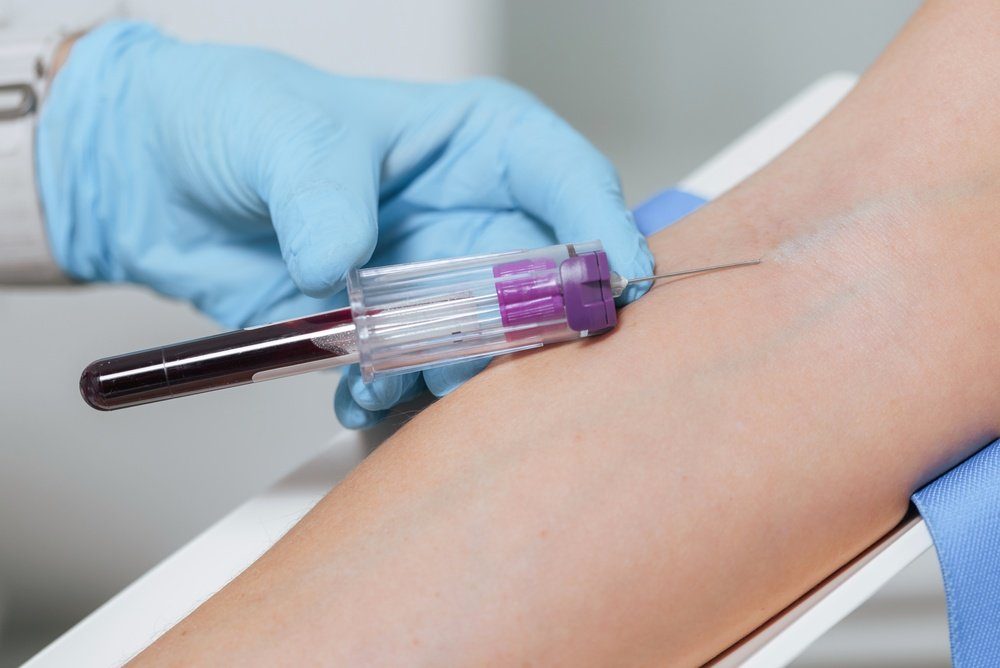
Opening an email or portal message full of numbers, abbreviations, and arrows can feel overwhelming, especially when a value is flagged as high or low. The good news is that learning how to read lab results is easier than it looks, and understanding the basics helps you feel calmer and more in control at your next visit. This guide walks through the most common tests your doctor may order, what a reference range really means, why a single out-of-range number is rarely cause for panic, and why trends over time tell a more useful story than any one result. At Elon Health Primary Care in Davenport, FL, Dr. Sandeep Pandya and our team review these numbers with you so they always come with context, not confusion.
Why Lab Work Is Part of Good Primary Care
Lab tests give your doctor an inside look at how your body is working, often before you feel any symptoms. They help catch early changes in things like blood sugar, cholesterol, and organ function, which is exactly where prevention and early detection make the biggest difference. When you have an ongoing relationship with a primary care doctor, each set of results adds to a bigger picture built over months and years.
That continuity matters. A number that looks unusual on its own may be perfectly normal for you once your doctor compares it to your history, your other results, and how you are feeling. This is why lab work is a tool to guide a conversation, not a verdict delivered by a machine.
The Complete Blood Count (CBC)
A complete blood count, or CBC, is one of the most common tests. It measures the different cells in your blood and gives a broad snapshot of your overall health. Your doctor may order it during a routine visit or when looking into symptoms like fatigue, frequent infections, or easy bruising.
- Red blood cells and hemoglobin carry oxygen; low levels can point to anemia.
- White blood cells help fight infection, so changes may reflect illness or inflammation.
- Platelets help your blood clot, which matters for healing and bleeding.
- Small ups and downs are common and often mean nothing on their own.
The Metabolic Panel
A metabolic panel checks the chemistry of your blood and how well certain organs are doing their job. A basic panel looks at things like blood sugar, kidney markers, and electrolytes such as sodium and potassium. A comprehensive version adds liver markers and protein levels for a fuller view.
These results help your doctor keep an eye on your kidneys, liver, hydration, and blood sugar over time. For example, a fasting glucose under 100 mg/dL is generally considered normal, while higher readings may prompt more testing. As always, one value is read alongside the others, not in isolation.
The Lipid Panel and A1C
A lipid panel measures the fats in your blood and helps estimate your heart health. In general, a total cholesterol under 200 mg/dL is considered desirable, with LDL (the type you want lower) and HDL (the protective type you want higher) each telling part of the story. Your doctor weighs these numbers together with your blood pressure, family history, and lifestyle to understand your overall risk.
The A1C test, often ordered alongside these panels, shows your average blood sugar over roughly the past three months. A result below 5.7 percent is generally in the normal range, while higher numbers may signal prediabetes or diabetes. Because A1C reflects a trend rather than a single moment, it is a helpful way to track how your body is doing between visits.
Thyroid Testing
Your thyroid is a small gland in your neck that helps control your energy, weight, mood, and body temperature. When symptoms like unexplained fatigue, weight changes, or feeling too hot or cold come up, your doctor may check your thyroid with a simple blood test, most often a TSH level, sometimes with additional thyroid measurements.
Thyroid results are a good example of why context matters. A value slightly outside the range may be watched and rechecked rather than treated right away, especially if you feel well. Your doctor decides the next step based on the full picture, not the flag alone.
What a Reference Range Really Means
Next to each result you will usually see a reference range, which is simply the span of values considered typical for most healthy people. Labs build these ranges by testing large groups, so a small number of perfectly healthy people naturally fall just outside them. That is why one value marked high or low is often not alarming on its own.
- Ranges can vary slightly between labs, so compare results from the same source when you can.
- Some ranges shift with age, sex, or whether you fasted before the test.
- A borderline result is often rechecked rather than acted on immediately.
- How you feel and your other results always matter as much as a single number.
In other words, being a little outside a range is common and usually not an emergency. What your doctor looks for is a pattern, a meaningful change, or a result that fits with your symptoms.
Why Trends and a Doctor's Review Matter Most
A single lab result is a snapshot; a series of results over time is a movie. Watching how your numbers move from one year to the next tells your doctor far more than any one reading. A cholesterol level creeping upward, or an A1C slowly rising, can prompt small, timely changes long before a problem develops. This is one of the real advantages of establishing care with one practice that keeps your history in one place.
It is also why you should review results with your doctor rather than trying to interpret them alone. Online searches can turn a minor, expected finding into needless worry. Your doctor can tell you which numbers matter for you, which to simply monitor, and which call for a follow-up test. For patients across Davenport, Champions Gate, Haines City, Kissimmee, and Polk County, Elon Health Primary Care offers an on-site lab, so many of these tests can be done right in our office near US-27 and reviewed with you soon after.
One important note: lab work is not for emergencies. If you have chest pain, signs of a stroke, trouble breathing, or other severe symptoms, call 911 right away.
Review Your Results With Elon Health Primary Care
Your lab results are most useful when a doctor who knows you explains what they mean for your health and your goals. If you would like a primary care team that reviews your numbers clearly and tracks them over time, Dr. Sandeep Pandya and our team at Elon Health Primary Care in Davenport, FL are accepting new patients. Request an appointment or call 352-508-5254 to establish care and put your results in context.